

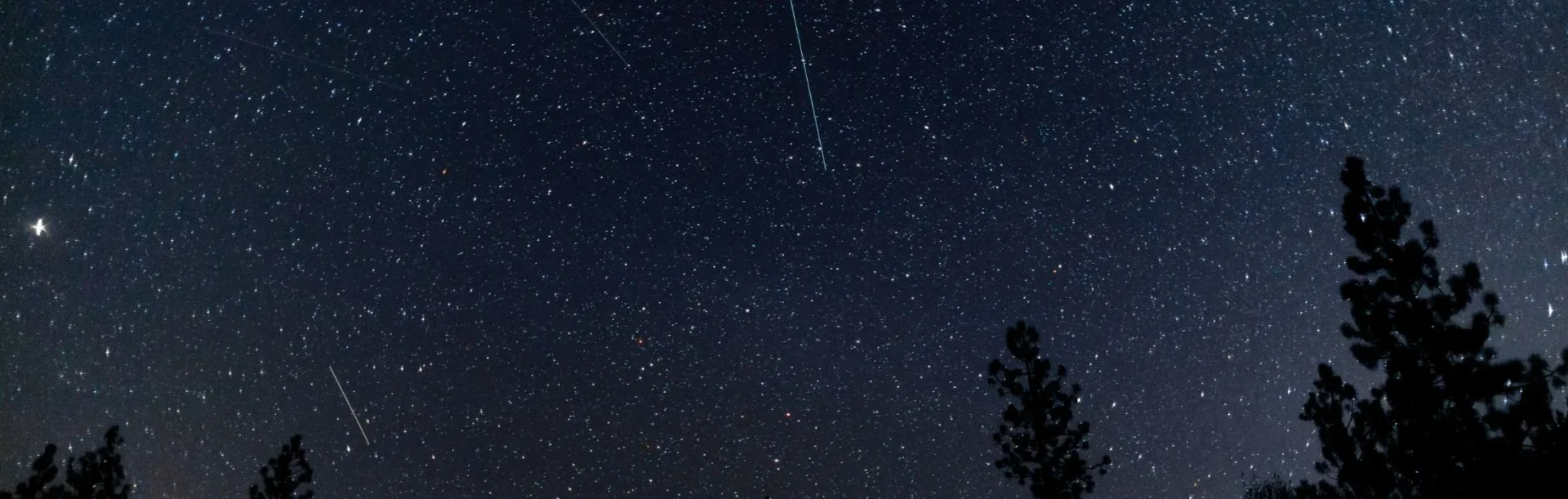
Southern Taurid Meteor Shower: An Event to Watch in Jackson Hole
If you’re looking for events in Jackson Hole this November, you don’t have to stay on the ground. The night sky has its own calendar of events, including the annual Southern Taurid meteor shower.
The Southern Taurids are active from September through November, with the 2026 fireball-focused peak expected on the night of November 4–5. Unlike some of the year’s major meteor showers, the Southern Taurids aren’t known for producing dozens of meteors every hour. Instead, they’re known for something a little more dramatic: bright fireballs.
And with a relatively faint Moon during this year’s peak, early November could be a great time to step outside and see what crosses the Wyoming sky.
When Is the Southern Taurid Meteor Shower?
The Southern Taurids are active from September 20 through November 20, 2026, with the shower’s fireball component reaching its peak around November 5. The American Meteor Society estimates a typical rate of about five meteors per hour under ideal conditions.
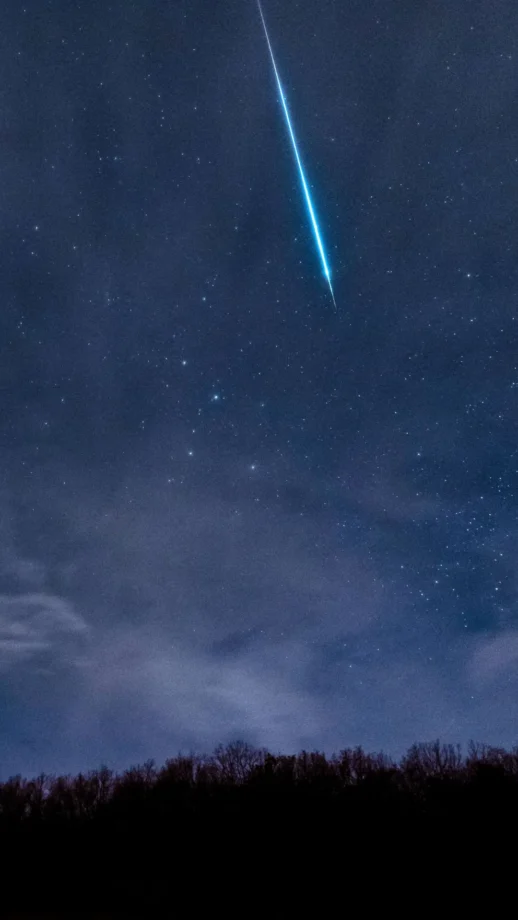
That number might not sound impressive compared with major meteor showers such as the Perseids or Geminids, but the Southern Taurids have a different claim to fame. They’re particularly associated with bright fireballs, which are exceptionally luminous meteors that can briefly outshine many of the stars around them.
The shower’s meteors are relatively slow compared with some other annual meteor showers, entering Earth’s atmosphere at about 27 kilometers per second. The Southern Taurids are associated with Comet 2P/Encke, which leaves behind the debris Earth encounters each year.
Why 2026 Could Be a Good Year to Watch
One of the biggest factors affecting any meteor shower is the Moon.
Fortunately, the Southern Taurids have favorable lunar conditions in 2026. The Moon will be a waning crescent during the November 4–5 peak, with approximately 21% illumination on November 4 and 13% on November 5. That means significantly less moonlight competing with faint meteors than during some other 2026 showers.
For the best experience, get somewhere away from artificial lights and give your eyes time to adjust to the darkness. You don’t need a telescope or binoculars to watch a meteor shower. In fact, your best tool is simply a comfortable place to sit and a wide, unobstructed view of the sky.
And remember: you may see several meteors without seeing a fireball. The timing and location of individual meteors are unpredictable, so meteor watching is partly about patience.
Watching the Southern Taurids in Jackson Hole
Jackson Hole is surrounded by some of Wyoming’s most remarkable landscapes, but those landscapes aren’t the only reason the area is special after dark.
The region’s relatively dark skies make it possible to see stars and celestial objects that disappear in areas affected by significant light pollution. That’s especially important for meteor showers, when the darker your surroundings, the better your chances of spotting fainter streaks of light.
The Southern Taurids are best viewed after midnight, when the shower’s radiant is higher in the sky. You don’t need to stare directly at the radiant, though. Meteors can appear anywhere across the sky, so find a comfortable position with as much sky visible as possible.
And don’t forget to dress for November in Wyoming. Clear autumn nights can be cold, particularly when you’re sitting still for an extended period of time.
More Than Just a Meteor Shower
Events in Jackson Hole don’t always involve a concert, festival, or gathering. Sometimes, the best event is one happening hundreds of miles above you.
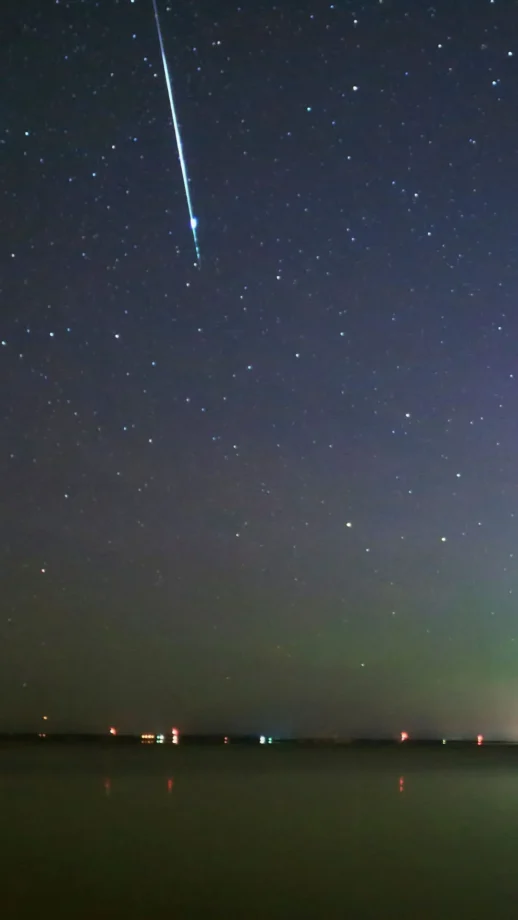
Meteor showers are a reminder that Earth is constantly moving through a much larger cosmic environment. Every shooting star is a tiny piece of material interacting with our atmosphere, and the Southern Taurids give us an opportunity to watch that process from right here on Earth.
At Wyoming Stargazing, we’re passionate about helping people experience that connection for themselves. Our stargazing programs combine astronomy education with the opportunity to explore Wyoming’s exceptionally dark skies, while proceeds from private programs also support our work in STEM education and dark sky conservation.
Experience the Night Sky for Yourself
Want to turn a night under the stars into one of your next events in Jackson Hole? Join Wyoming Stargazing for a private stargazing experience and explore the planets, stars, nebulae, galaxies, and other wonders visible above Wyoming. You might even catch a meteor streaking overhead.
Explore our stargazing tours and experience Jackson Hole’s night sky for yourself.


 English
 Spanish