

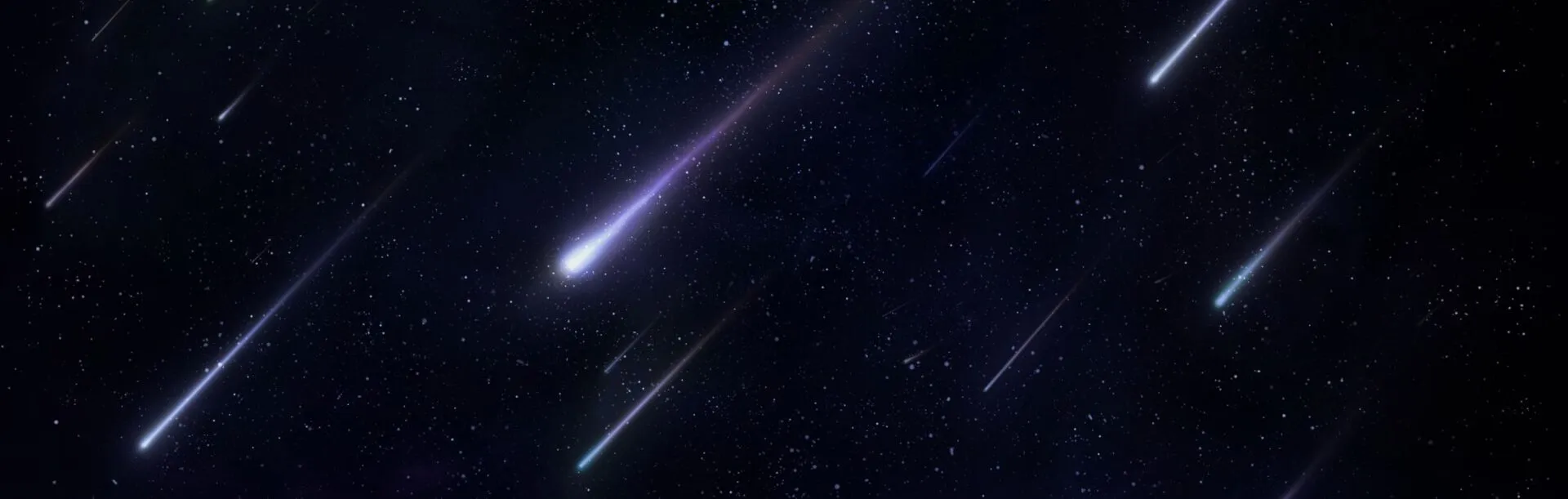
Learn When, Where, and How to See the Delta Aquariids in Jackson Hole
Summer is one of the best times of year for stargazing in Wyoming, and the Southern Delta Aquariid Meteor Shower offers another reason to stay out after dark. Active from mid-July through August, this annual meteor shower brings fast-moving meteors streaking across the night sky and serves as a warm-up for the famous Perseid Meteor Shower a few weeks later.
While the Southern Delta Aquariids tend to favor observers farther south, Wyoming’s dark skies still provide excellent opportunities to spot meteors during the shower’s peak.
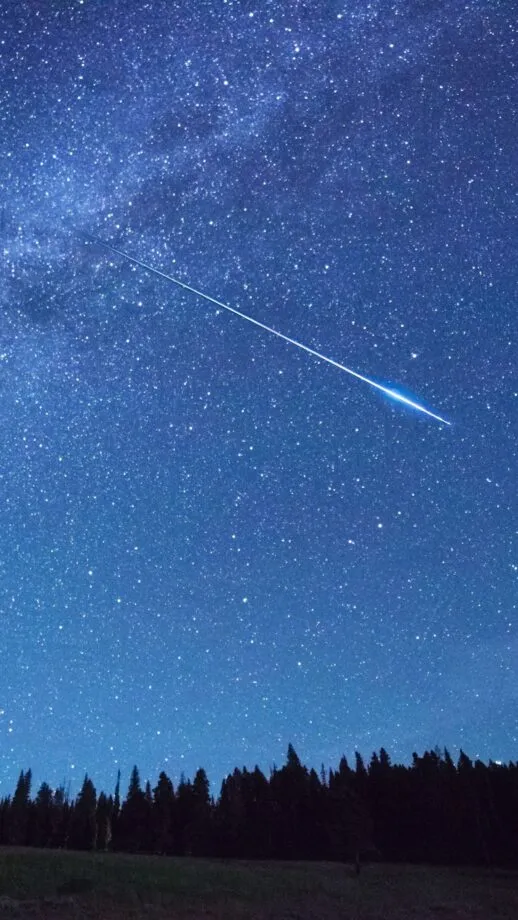
When to Watch the Southern Delta Aquariids
The Southern Delta Aquariid Meteor Shower is expected to peak around July 29–30, 2026. During ideal conditions, observers may see anywhere from 15 to 20 meteors per hour, though actual rates vary depending on sky conditions and location. The shower originates from debris left behind by Comet 96P/Machholz and appears to radiate from the constellation Aquarius.
According to NASA, the Southern Delta Aquariids are best viewed after midnight when the radiant climbs higher in the sky and meteor activity increases. Unfortunately, the 2026 peak occurs close to a full moon, which may wash out many of the fainter meteors. Even so, brighter meteors should still be visible under Wyoming’s dark skies.
Why Jackson Hole Is a Great Place to Watch
Even though the shower’s radiant sits relatively low in the southern sky from Wyoming, Jackson Hole offers several advantages for meteor watching. Jackson Hole offers low levels of light pollution since it’s an official Dark Sky Community and it has expansive views of the night sky. You’ll have access to protected public lands and the high elevation and dry mountain air make conditions ideal for viewing the bright meteors and vast beauty the night sky has to offer.
Tips for Viewing the Wyoming Meteor Shower
Meteor showers don’t require telescopes or binoculars. In fact, your best tool is simply a comfortable place to sit and a wide view of the sky.
Arrive after midnight, allow your eyes 20–30 minutes to adapt to the darkness, and avoid looking at bright screens. Bring layers, a blanket, and patience. While you may not see a meteor every minute, the anticipation is part of what makes meteor showers so memorable.
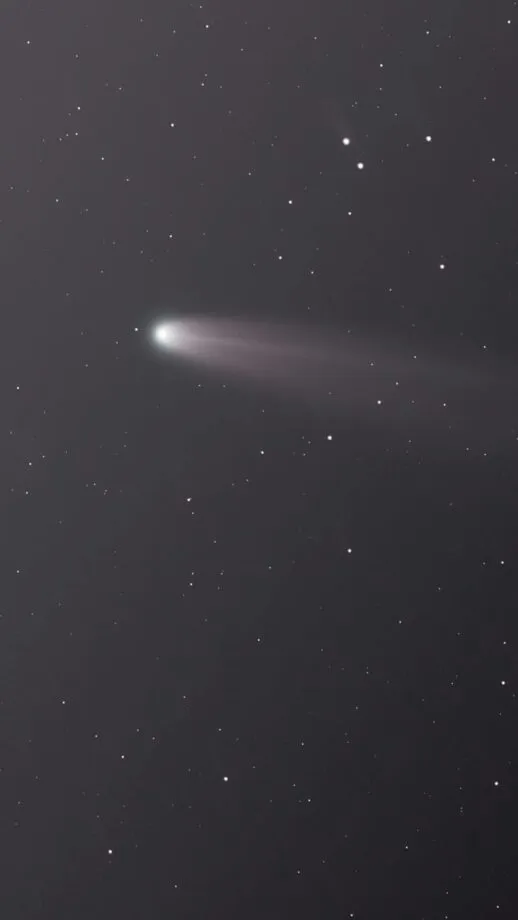
A Summer Night Worth Staying Up For
The Southern Delta Aquariid Meteor Shower may not be the brightest meteor shower of the year, but it offers a wonderful excuse to spend time beneath Wyoming’s stars. With dark skies, mountain scenery, and the chance to catch a shooting star overhead, it’s a reminder that some of the best experiences in Jackson Hole happen long after the sun goes down.
Explore More Than Meteors With Wyoming Stargazing
Meteor showers are exciting, but they’re only one part of the night sky. During the summer months, visitors to Jackson Hole can also enjoy incredible views of the Milky Way, planets, star clusters, and distant galaxies.
Our guided stargazing programs combine powerful telescopes, expert interpretation, and Wyoming’s remarkable dark skies to create an unforgettable experience. Whether you’re hoping to learn more about astronomy or simply want a unique evening activity during your visit, a guided tour can help you see far more than the naked eye alone.
Explore our stargazing experiences and discover why Jackson Hole has become one of the premier destinations for astronomy enthusiasts and casual skywatchers alike.


 English
 Spanish